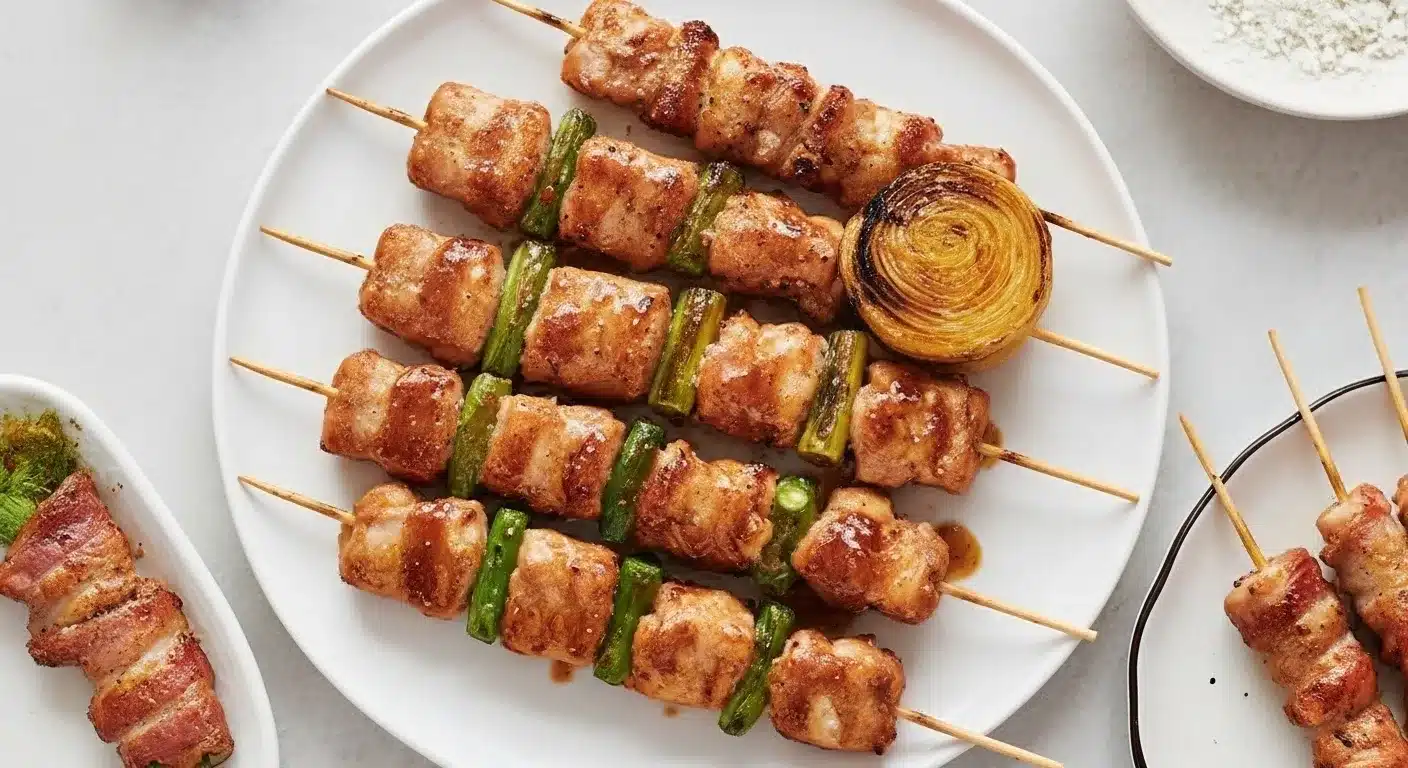
Master the Sweet & Savory Yakitori Sauce at Home
Imagine sinking your teeth into succulent chicken skewers, each piece glistening with a rich, sticky, and perfectly caramelized glaze. This isn't just a fantasy; it's the delicious reality of homemade yakitori. While this iconic Japanese street food might seem like a culinary secret guarded by seasoned chefs, mastering an **easy Japanese chicken yakitori recipe** in your own kitchen is entirely within reach. The true magic lies not just in the perfectly grilled chicken, but in the irresistible sweet and savory yakitori sauce that elevates every bite.
Skip the takeout and bring the vibrant flavors of Japan right to your dining table. This comprehensive guide will walk you through crafting the ultimate yakitori sauce from scratch, then preparing those tender chicken skewers to perfection, ensuring your homemade yakitori rivals your favorite restaurant's offering.
The Heart of Yakitori: Crafting Your Signature Sauce
The soul of any great yakitori lies in its glaze – the tare. This incredible sauce is a delicate balance of sweet, savory, and umami notes that transforms simple chicken into an extraordinary culinary experience. While there are countless variations, the core ingredients remain consistent, creating a versatile sauce you'll want to put on everything.
To create your signature yakitori sauce, you'll typically combine a few essential Japanese pantry staples:
- Soy Sauce: The foundation of the sauce, providing deep, savory umami and saltiness. Opt for a good quality Japanese soy sauce for the best flavor.
- Mirin: A sweet Japanese rice wine that contributes a subtle sweetness, a beautiful sheen, and helps the sauce caramelize into that desirable sticky glaze.
- Sake: Another Japanese rice wine, cooking sake adds a layer of complex aroma and helps to balance the richness of the soy sauce and sugar. If you don't have sake, a dry sherry or even a light white wine can be a suitable substitute.
- Brown Sugar: While white sugar can be used, brown sugar adds a deeper, more molasses-like sweetness that enhances the caramelization and overall richness of the sauce.
- Aromatics (Garlic & Ginger): Freshly minced garlic and ginger are optional but highly recommended. They infuse the sauce with an incredible aroma and a subtle, zesty warmth that deepens the flavor profile.
- Rice Vinegar: A touch of rice vinegar provides a bright acidity that cuts through the sweetness and richness, balancing the flavors and adding a pleasant tang.
- Cornstarch: This is your secret weapon for achieving that perfect clingy consistency. A small amount of cornstarch mixed with water (a slurry) will thicken the sauce, ensuring it coats your chicken beautifully.
Bringing the Sauce Together:
Creating the tare is surprisingly simple. Combine your soy sauce, mirin, sake (or substitute), brown sugar, minced garlic, ginger, and rice vinegar in a saucepan. Bring the mixture to a gentle simmer over medium heat, stirring occasionally until the sugar fully dissolves. Let it simmer for about 5-7 minutes, allowing the flavors to meld and deepen.
Next, prepare a cornstarch slurry by mixing cornstarch with an equal amount of cold water until smooth. Gradually whisk this slurry into your simmering sauce. Continue to cook and stir for another 1-2 minutes, until the sauce thickens to a consistency that coats the back of a spoon. It should be viscous enough to cling to your chicken, but not overly gloopy. Remove from heat and set aside. You can make this sauce ahead of time and store it in the refrigerator for up to a week.
Beyond the Sauce: Perfecting Your Chicken Yakitori Skewers
While the sauce is undeniably the star, the chicken itself plays a crucial supporting role. For an truly authentic and delectable **easy Japanese chicken yakitori recipe**, the choice of chicken and its preparation are key.
Choosing Your Chicken:
We highly recommend using
boneless, skinless chicken thighs. Chicken thighs are inherently juicier and more flavorful than breasts, with a slightly higher fat content that keeps them tender and moist even under high heat grilling. They resist drying out, which is ideal for yakitori's quick cooking method. If you prefer a leaner option, boneless chicken breasts can be used, but be mindful not to overcook them to prevent dryness.
Prepping Your Skewers:
- Cut Uniformly: Whichever chicken you choose, cut it into uniform, bite-sized pieces, roughly 1-inch cubes. Uniformity ensures even cooking.
- Soak Wooden Skewers: If using wooden skewers, immerse them in water for at least 20-30 minutes before threading. This crucial step prevents them from charring and burning during cooking, especially if you're grilling over direct heat. Metal skewers, of course, do not require soaking.
- Thread with Care: Thread the chicken pieces onto the skewers, making sure not to pack them too tightly. Leave a small gap between each piece to allow for even cooking and better sauce penetration. For aesthetic appeal and to ensure even cooking, try to arrange the chicken pieces so that the skewer runs through the center.
Traditionally, yakitori is not heavily marinated beforehand. Instead, the magic happens as the chicken cooks, with the sauce being brushed on in multiple layers to build up that irresistible glaze.
Grill, Broil, or Pan-Sear: Versatile Cooking Methods for Your Easy Japanese Chicken Yakitori Recipe
One of the most appealing aspects of an **easy Japanese chicken yakitori recipe** is its adaptability to various cooking methods. You don't need a special Japanese grill to achieve fantastic results at home.
Grilling (Charcoal or Gas):
For the most authentic smoky flavor, grilling is the way to go.
- Charcoal Grill: Prepare your grill for medium-high heat. The smoky char from charcoal adds an unparalleled depth of flavor.
- Gas Grill: Preheat your gas grill to medium-high (around 400-450°F / 200-230°C).
Place the chicken skewers on the grates, turning frequently. Cook for about 4-5 minutes, allowing the chicken to cook partially before you begin basting. Then, generously brush the skewers with your prepared yakitori sauce. Continue to cook, flipping and basting every 1-2 minutes, for another 6-10 minutes, until the chicken is cooked through (internal temperature of 165°F / 74°C) and beautifully caramelized. The multiple layers of sauce will build a glossy, sticky glaze.
Grill Pan:
Don't have an outdoor grill? A cast-iron grill pan is an excellent indoor alternative. Heat your grill pan over medium-high heat until it's very hot. Lightly oil the pan. Cook the chicken skewers following the same method as grilling – cook partially, then start basting and flipping until done. The grill marks will give you that characteristic yakitori appearance. For more quick and versatile cooking methods, explore this guide on
Quick 30-Minute Chicken Yakitori for Any Cookware.
Oven or Broiler:
For a hands-off approach, your oven or broiler works wonderfully.
- Baking: Preheat your oven to 400°F (200°C). Arrange skewers on a foil-lined baking sheet. Bake for 10-12 minutes, then remove, brush generously with sauce, and return to the oven for another 5-7 minutes. Repeat basting once more until cooked through and glazed.
- Broiling: For a more intense char and faster cooking, preheat your broiler to high. Place skewers on a foil-lined baking sheet and broil for 3-4 minutes per side, turning once. Once partially cooked, begin basting frequently, turning and brushing every 1-2 minutes until the chicken is done and has a beautiful char. Keep a close eye on it to prevent burning!
Tips for a Restaurant-Quality Yakitori Experience
Elevating your homemade yakitori from good to truly great involves a few simple tricks that make all the difference.
- Baste Frequently and Layer Up: The key to that thick, glossy glaze is applying multiple thin layers of sauce. Don't drench it all at once; build up the glaze gradually as the chicken cooks. This allows each layer to caramelize.
- Watch for Burning: Because the sauce contains sugar, it can burn quickly. Keep a close eye on your skewers, especially during the basting phase. If they start to get too dark too fast, move them to a cooler part of the grill or lower the heat slightly.
- Rest the Chicken: Once cooked, allow the skewers to rest for 3-5 minutes before serving. This allows the juices to redistribute, resulting in more tender and flavorful chicken.
- Garnish and Serve: A sprinkle of thinly sliced green onions (scallions) adds freshness and a pop of color. For a touch of authentic Japanese spice, offer a side of shichimi togarashi (Japanese seven-spice blend) to your guests. A wedge of lemon can also add a bright counterpoint to the rich sauce.
- Versatility Beyond Chicken: While this recipe focuses on chicken, the yakitori sauce is incredibly versatile. Experiment with other proteins like pork belly, beef, shrimp, or even firm tofu. Vegetables such as bell peppers, leeks, shiitake mushrooms, or asparagus also make fantastic yakitori skewers.
With these tips, you're well on your way to creating
Easy Homemade Japanese Yakitori: Restaurant Quality Skewers that will impress anyone.
Conclusion
Bringing the vibrant, delicious flavors of Japanese street food into your home with an **easy Japanese chicken yakitori recipe** is a deeply satisfying culinary adventure. From whisking together the perfect sweet and savory tare to grilling those tender, glazed chicken skewers, every step is enjoyable and rewarding. With simple ingredients and versatile cooking methods, you now have the power to create a dish that's every bit as authentic and delicious as what you'd find in your favorite Japanese eatery. So fire up the grill, gather your ingredients, and get ready to master the magic of homemade yakitori!