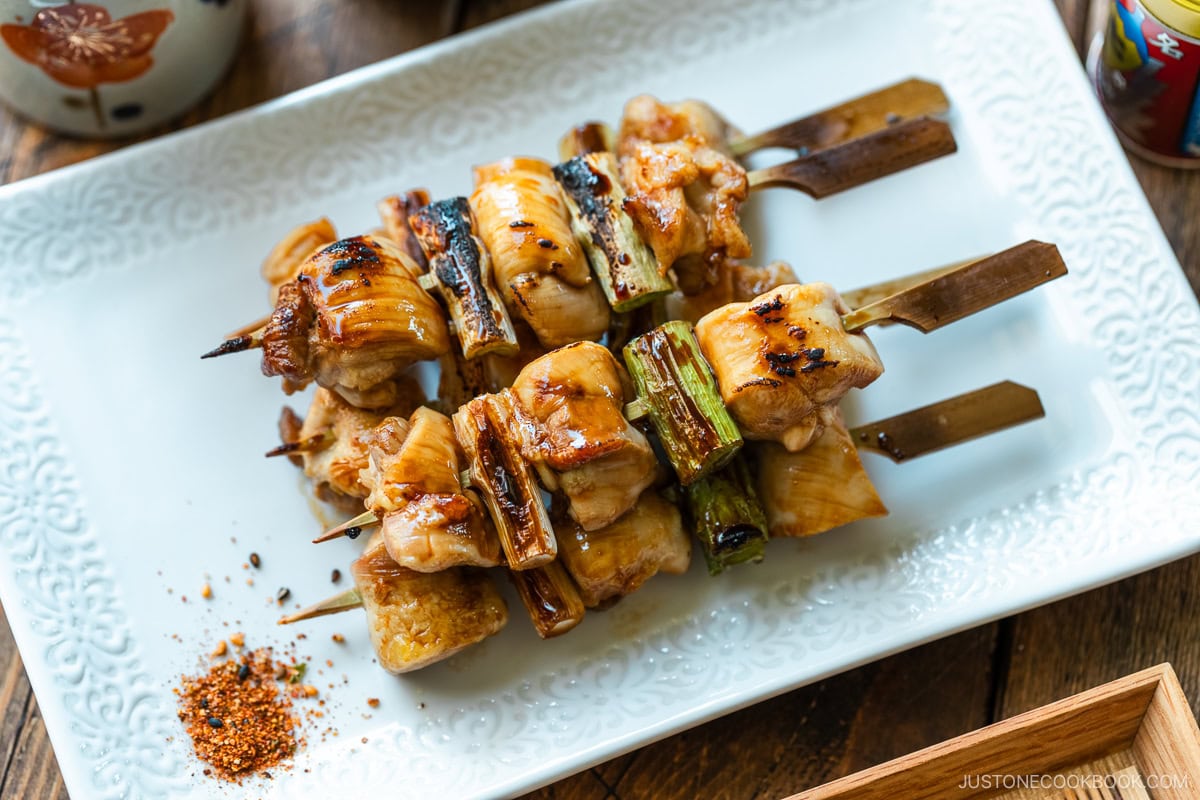
Imagine biting into a perfectly grilled skewer, the chicken tender and juicy, glistening with a sticky, caramelized glaze that's the perfect balance of sweet, savory, and umami. This isn't a fantasy reserved for your favorite Japanese restaurant or a bustling street food market; it's an experience you can easily recreate in your own kitchen. With our easy Japanese chicken yakitori recipe, that dream becomes a delicious reality right at home.
Yakitori, meaning "grilled bird," is a beloved staple of Japanese cuisine, celebrated for its simplicity and incredible flavor. While it might seem intimidating to replicate restaurant-quality skewers, the truth is, the magic of yakitori lies in a few straightforward techniques and essential ingredients. Forget complicated steps or exotic tools; we're about to bring the authentic taste of Japan to your dinner table, making it accessible for any home cook.
Why Homemade Yakitori is a Game-Changer
There's an undeniable satisfaction that comes with mastering a simple yet authentic dish at home, especially one as universally adored as yakitori. The aroma alone as the skewers sizzle and the sauce caramelizes is enough to transport you straight to the lively alleys of Tokyo. But beyond the sensory pleasure, making yakitori at home offers a host of practical benefits:
- Skip the Takeout, Embrace Freshness: While a trip to your local Japanese spot is always a treat, preparing yakitori at home means you control the quality of ingredients, ensuring fresh, tender chicken and a vibrant, additive-free sauce.
- Unbeatable Flavor Profile: Our easy Japanese chicken yakitori recipe delivers that coveted balance of smoky char, savory depth from soy sauce, and a touch of sweetness from mirin and sugar. This glossy, flavorful glaze clings to every bite, creating a truly restaurant-quality experience without needing any special culinary skills.
- Quick & Convenient: Many variations of this dish come together in about 30 minutes, making it an ideal choice for a speedy weeknight dinner. It’s a dish that feels impressive but is surprisingly quick to prepare.
- Flexible & Adaptable: Whether you're using an outdoor grill, an indoor grill pan, or even your oven broiler, these Japanese chicken skewers cook beautifully every time. Plus, it's a fantastic "clean out the fridge" meal, allowing you to incorporate various vegetables or even other proteins.
Mastering this simple yet authentic dish means you no longer have to chase down that unique flavor; you can create it anytime you crave it, right in the comfort of your own kitchen.
Mastering the Quintessential Yakitori Sauce
The heart and soul of any great yakitori lies in its exceptional sauce, often referred to as 'tare'. This sweet and savory glaze is what transforms simple grilled chicken into an extraordinary culinary delight. Fortunately, creating this magical concoction at home is surprisingly simple, relying on a few readily available Japanese pantry staples. To truly delve into the nuances of this magical concoction, explore our dedicated guide: Master the Sweet & Savory Yakitori Sauce at Home.
Key Ingredients for Your Yakitori Tare:
- Soy Sauce: This forms the savory backbone of the sauce, providing deep umami flavor and a rich, salty foundation. Opt for a good quality Japanese soy sauce for the best results.
- Mirin: A type of Japanese rice wine, mirin is essential for its natural sweetness, which beautifully balances the saltiness of the soy sauce. It also contributes to that desirable glossy finish and helps the sauce caramelize during cooking.
- Sake: While sometimes optional or substituted, sake adds a subtle aromatic note and helps to balance the richness and sweetness of the other ingredients. A dry sake works best. If you don't have sake, a splash of dry white wine or even a little extra mirin can suffice in a pinch, though the flavor profile will be slightly different.
- Brown Sugar: We prefer brown sugar over white for its deeper, more complex sweetness and its molasses notes, which enhance the caramelization process, giving the skewers a beautiful rich color and flavor.
- Vinegar (Rice or Distilled): A touch of rice vinegar or distilled vinegar brightens the sauce, adding a slight tang that cuts through the richness and prevents the sauce from becoming cloyingly sweet.
- Aromatics (Garlic & Ginger): Minced fresh garlic and ginger are non-negotiable for their incredible aroma and foundational flavor. They infuse the sauce with warmth and an irresistible fragrance that will make your kitchen smell divine as it simmers.
- Cornstarch: A secret weapon for thickening. A small amount of cornstarch, mixed with a little water, ensures the sauce isn't too runny, allowing it to cling beautifully to the chicken skewers as they cook and glaze.
Combining these ingredients and simmering them down until slightly thickened creates a marinade and glaze that’s every bit as authentic and delicious as what you’d find at your favorite yakitori spot.
Assembling Your Skewers: Chicken & Beyond
The beauty of yakitori lies not just in its sauce, but in the careful preparation and assembly of the skewers themselves. While chicken is the star, the flexibility of this dish allows for exciting variations.
Choosing Your Chicken: Thighs vs. Breasts
For the best results in your easy Japanese chicken yakitori recipe, we highly recommend using boneless, skinless chicken thighs. Here’s why:
- Juiciness: Chicken thighs have a higher fat content, which keeps them incredibly juicy and flavorful, even when cooked over high heat. They are much more forgiving than chicken breasts, which can dry out quickly.
- Flavor: The darker meat of the thigh offers a richer, more robust flavor that stands up beautifully to the sweet and savory yakitori sauce.
- Texture: Thighs remain tender and succulent, providing a satisfying bite that's perfect for skewering and grilling.
If you prefer a leaner option, boneless chicken breast can be used, but be mindful to cook it carefully to prevent it from drying out. Regardless of your choice, cut the chicken into uniform, bite-sized chunks (about 1-inch pieces). This ensures even cooking and makes them easy to eat off the skewer.
Skewers: Wooden or Metal?
- Wooden Skewers: If using wooden skewers, it's absolutely essential to soak them in water for at least 10-20 minutes prior to threading. This prevents them from burning and charring excessively during grilling. If you have time, an hour or longer is even better.
- Metal Skewers: A great reusable alternative. Metal skewers don't require soaking and are generally more durable. Just remember they will get hot!
Beyond Chicken: Creative Variations
Don't limit your yakitori experience to just chicken! One of the joys of this dish is its versatility. Consider adding:
- Vegetables: Cut into similar bite-sized pieces, vegetables like scallions (green onions), bell peppers (red, yellow, or green), shiitake mushrooms, cherry tomatoes, or leeks make fantastic additions. They not only add color and texture but also absorb the delicious tare.
- Other Proteins: Experiment with thin slices of pork belly, shrimp, or even homemade chicken meatballs (tsukune) for a diverse yakitori platter. This makes it a perfect "clean out the fridge" meal.
Thread your chicken and any chosen additions onto the skewers, alternating for visual appeal and balanced flavor. Don't overcrowd the skewers, leaving a small space between pieces for even cooking.
Cooking Your Yakitori: Grill, Pan, or Oven?
The beauty of this easy Japanese chicken yakitori recipe is its adaptability to various cooking methods. Each method offers a slightly different result, but all promise deliciousness. For more detailed instructions on tailoring your cooking method and achieving this delicious meal in record time, check out our guide: Quick 30-Minute Chicken Yakitori for Any Cookware.
1. Outdoor Grill (for Authentic Char and Smokiness)
The outdoor grill is arguably the best way to achieve that quintessential smoky flavor and beautiful char that defines authentic yakitori.
- Preparation: Preheat your grill to medium-high heat. Ensure the grates are clean and lightly oiled to prevent sticking.
- Cooking: Place the skewers directly over the heat. Cook for 2-3 minutes per side, turning occasionally, until the chicken is cooked through and lightly charred.
- Glazing: During the last few minutes of cooking, generously brush the skewers with your prepared yakitori tare. Turn them frequently, brushing with more sauce each time, allowing the sauce to caramelize and thicken into a beautiful glaze. Watch carefully to prevent burning due to the sugar in the sauce.
2. Grill Pan (for Indoor Grilling)
A cast-iron grill pan is an excellent indoor alternative, providing good heat distribution and those characteristic grill marks.
- Preparation: Heat your grill pan over medium-high heat until hot. Add a very light brush of oil to the pan or directly to the chicken.
- Cooking: Place skewers on the hot grill pan, ensuring not to overcrowd it. Cook for about 4-6 minutes per side, or until the chicken is cooked through, turning as needed.
- Glazing: As with outdoor grilling, brush generously with the yakitori sauce during the final minutes, turning frequently to build up layers of caramelized glaze.
3. Oven or Broiler (the Easiest Method)
For the ultimate ease and accessibility, your oven or broiler works wonderfully, especially if you don't have a grill or grill pan.
- Preparation: Preheat your oven to 400°F (200°C) or set your broiler to high. Line a baking sheet with foil for easy cleanup and place a wire rack over it. This allows air to circulate around the skewers.
- Cooking (Oven): Arrange the skewers on the wire rack. Bake for 15-20 minutes, flipping halfway through, until the chicken is cooked through.
- Cooking (Broiler): Place the skewers 6-8 inches from the broiler element. Broil for 3-5 minutes per side, watching closely as broilers can cook very quickly.
- Glazing: For both oven and broiler methods, brush the skewers liberally with the yakitori tare during the last 5-7 minutes of cooking (or last 2-3 minutes for broiler), flipping and brushing multiple times to build up a glossy, caramelized coating.
Regardless of the method, the goal is tender, juicy chicken with a beautiful, sticky glaze. The frequency of brushing the sauce is key to building that desirable restaurant-quality finish.
Essential Tips for Yakitori Perfection & Serving Suggestions
To ensure your homemade yakitori is nothing short of spectacular, keep these additional tips in mind:
- Don't Overcrowd: Whether on a grill, pan, or baking sheet, give your skewers space. This allows for even cooking and proper caramelization, preventing them from steaming.
- Brush, Brush, Brush: The magic of yakitori lies in layering the sauce. Apply several coats during the last stage of cooking to build a thick, glossy, and flavorful glaze.
- Watch Your Heat: The sugar in the tare can burn quickly. Keep a close eye on your skewers, especially when grilling or broiling, and adjust heat as needed.
- Rest Briefly: Like any grilled meat, letting your yakitori rest for 2-3 minutes after cooking allows the juices to redistribute, ensuring maximum tenderness and flavor.
Serving Suggestions:
Serve your easy Japanese chicken yakitori hot off the grill or pan for the best experience. It's fantastic on its own as an appetizer or a light meal, but here are some ideas for a more complete dining experience:
- Garnish: A sprinkle of sesame seeds, thinly sliced green onions (scallions), or a dash of Shichimi Togarashi (Japanese seven-spice blend) adds color, texture, and a touch of heat.
- Sides: Pair with a bowl of steamed white rice to soak up any extra sauce, a simple refreshing cucumber salad, or a warm bowl of miso soup.
- Drinks: Traditionally enjoyed with cold Japanese beer or a pour of sake. Green tea is also a refreshing non-alcoholic option.
Conclusion
There you have it – the ultimate guide to creating easy Japanese chicken yakitori that rivals your favorite restaurant's, all from the comfort of your home kitchen. From selecting the juiciest chicken thighs and crafting that unforgettable sweet and savory tare to choosing your preferred cooking method, every step is designed to be simple, satisfying, and utterly delicious. So, grab your skewers, prepare your sauce, and get ready to enjoy the magic of Japanese street food without ever having to leave your house. This recipe isn't just a meal; it's an experience waiting to be savored.
